
· Renan Willian · Research · 2 min read
Research and Development of Veterinary Medicines
A comprehensive view of the veterinary drug research and development process, from therapeutic target identification to pharmacovigilance, with an ethical and data-driven approach.

Translational Research in Animal Medicines
Summary
Veterinary drug research combines pharmacology, molecular biology, preclinical and clinical trials, and specific regulatory frameworks to ensure efficacy, safety, and animal welfare. This article simulates a technical publication from a research blog, describing the complete flow from hypothesis to post-marketing surveillance, with practical examples in companion and production animals.
Introduction
Reference Images
Throughout this article, images from open data banks are used to illustrate the context of veterinary research:
- Veterinary Pharmaceutical Laboratory
- Livestock and Animal Health
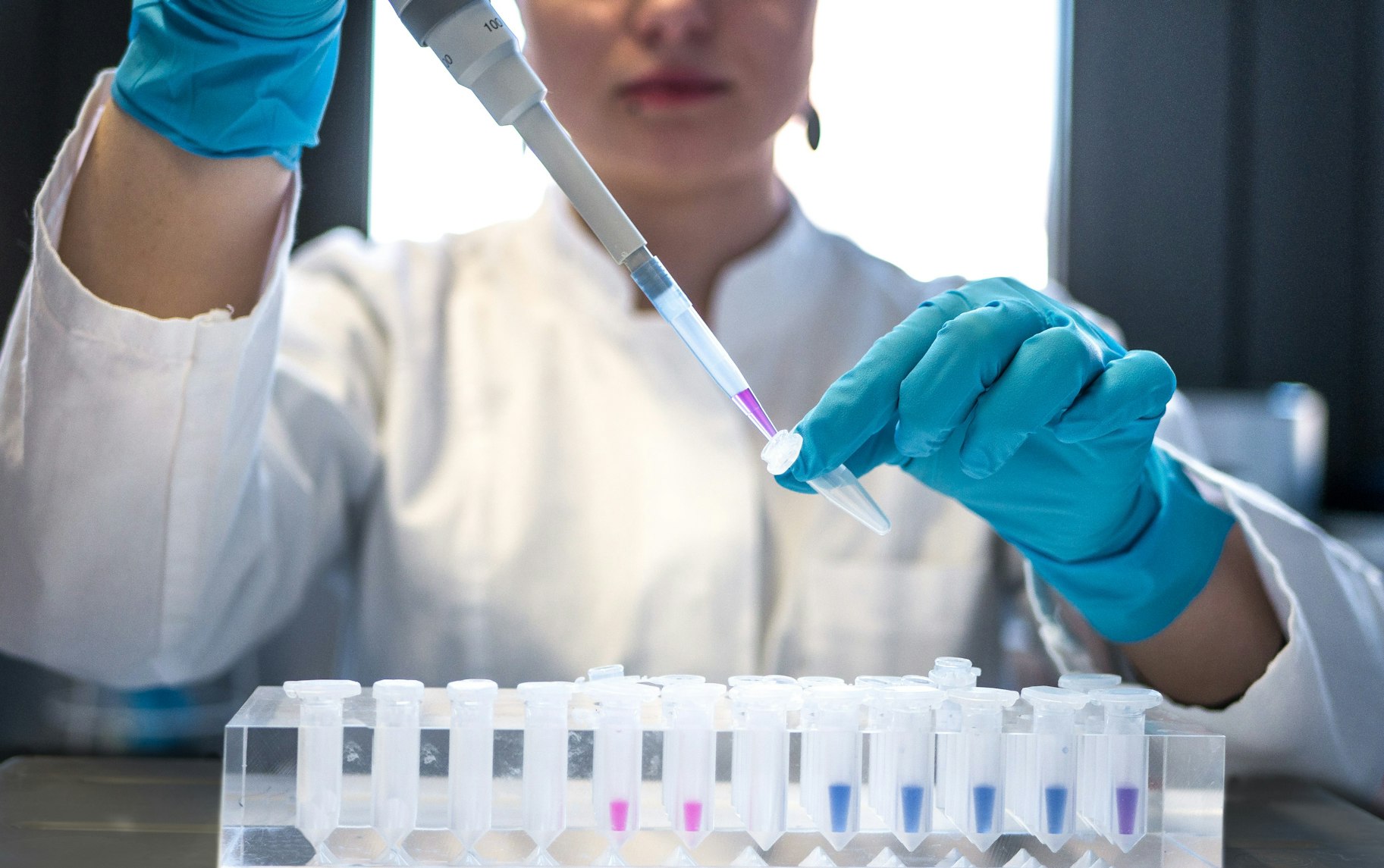
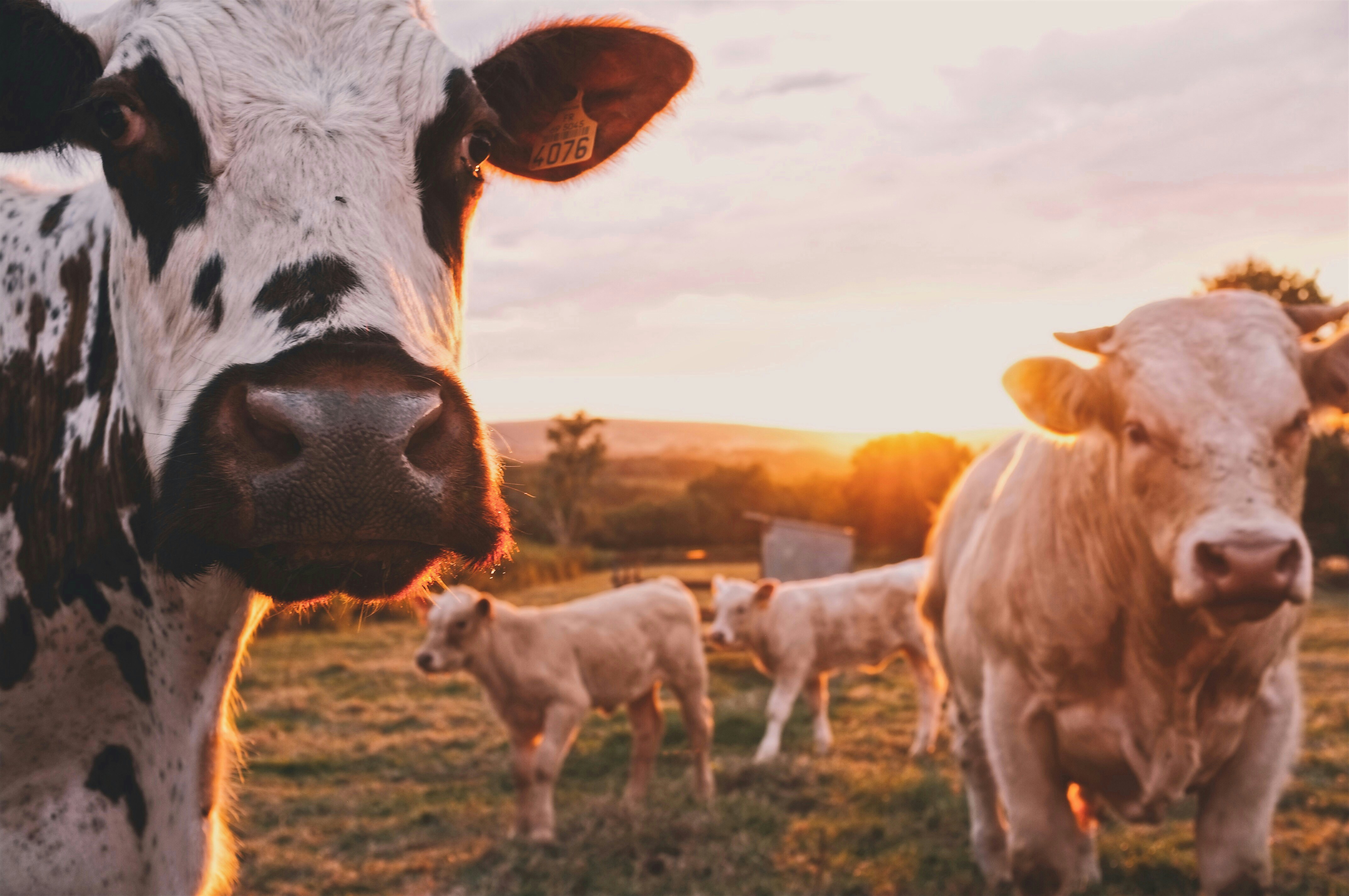
These images mainly come from Unsplash and Pexels, and help to visually contextualize the different phases of drug development for animals.
Introduction
Animal diseases impact public health, food safety, and pet welfare. Veterinary drug development requires adapting human research principles to diverse physiologies, metabolisms, and production contexts. Additionally, the One Health approach drives solutions that benefit both animals and humans.
Study Objectives
- Identify species-relevant therapeutic targets.
- Evaluate pharmacokinetic/pharmacodynamic (PK/PD) profiles.
- Design ethical and reproducible trials.
- Ensure regulatory compliance (EMA/CVMP, FDA/CVM, etc.).
- Implement data-driven pharmacovigilance.
Methodology
1) Target Discovery and Validation
- In silico and omics analysis (genomics/proteomics).
- Species-specific cell models.
- Functional validation through knockdown/knockout.
2) Preclinical Development
- Acute and chronic toxicity studies.
- Comparative PK/PD between species (allometry).
- Formulation (palatability, stability, route of administration).
3) Veterinary Clinical Trials
- Randomized and controlled design when applicable.
- Clinical and welfare endpoints.
- Informed owner consent and ethics committees.
4) Regulation and Quality
- Technical dossier (quality, safety, efficacy).
- Good Laboratory and Manufacturing Practices (GLP/GMP).
- Labeling strategy and withdrawal times (food animals).
5) Pharmacovigilance
- Collection of adverse events.
- Early signals with analytics and ML.
- Continuous update of benefit-risk profile.
Practical Case (Simulated)
Indication: Canine allergic dermatitis.
Candidate Molecule: Selective IL-31 antagonist.
Key Results:
- Pruritus reduction ≥60% at 4 weeks.
- Favorable safety profile; mild and transient AEs.
- High adherence thanks to chewable formulation.
Discussion
Development success depends on integrating PK/PD data with veterinary clinical experience. Cross-species extrapolation must be cautious and evidence-based. Digitalization (eCRF, RWD) accelerates decisions and improves surveillance.
Ethical Considerations
- Principle of the 3Rs (Replace, Reduce, Refine).
- Animal welfare as primary endpoint.
- Transparency with owners and professionals.
Limitations
- Inter-species variability.
- Limited sample sizes.
- Adherence biases in real-world setting.
Conclusions
Modern veterinary research is multidisciplinary and data-oriented. Adopting One Health, advanced analytics, and good regulatory practices enables bringing safe and effective therapies to market, improving animal quality of life.
Next Steps
- Real-world studies (RWE).
- Personalized dose optimization.
- Integration with pharmacovigilance platforms.
References
- EMA/CVMP and FDA/CVM guidelines.
- Principles of veterinary PK/PD.
- Ethics and animal welfare in research.


