
· 18 min read
A Fifty-Year Retrospective on Preclinical Safety and Regulatory Strategy: Navigating the Path to First-in-Human Trials for Pharma & Biotech Small-Medium Enterprises (SMEs)
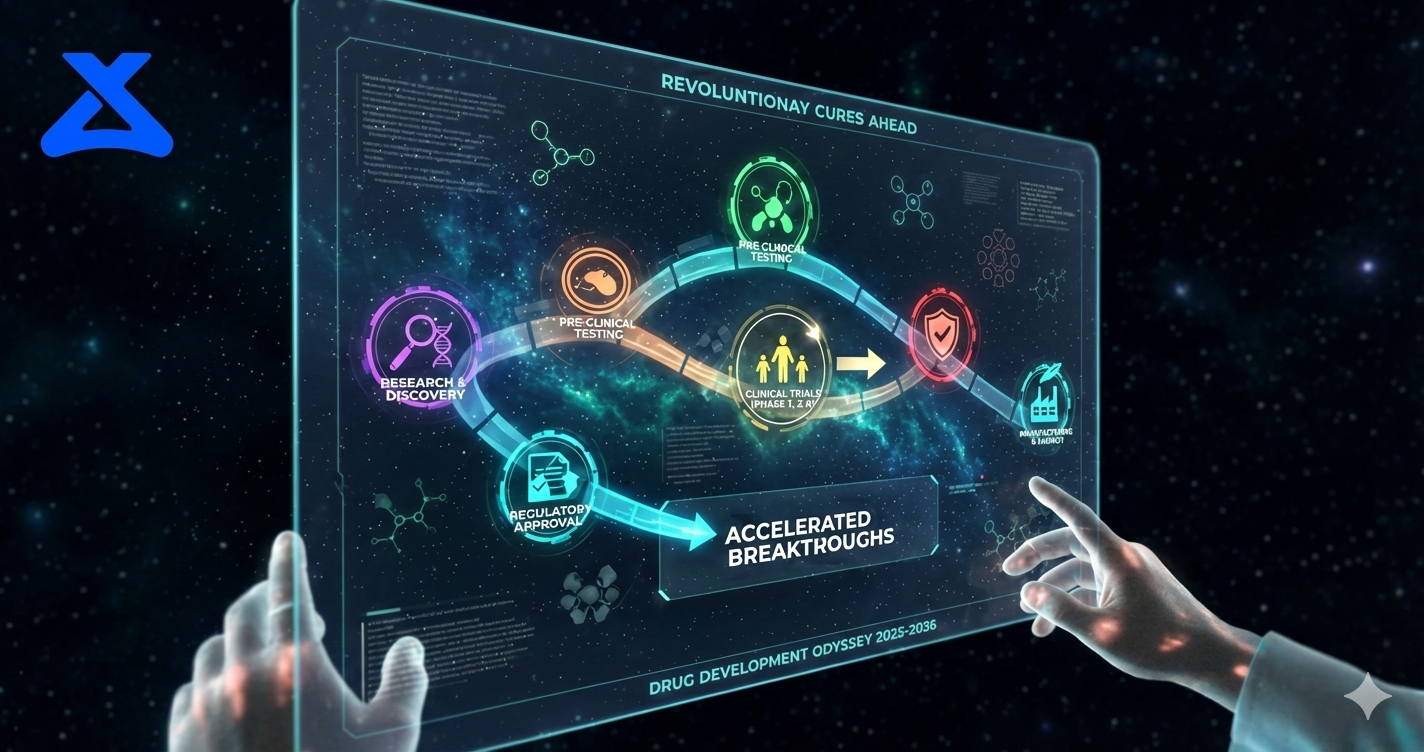
The trajectory of drug and vaccine development over the past half-century has transformed from a primarily empirical, localized endeavor into a globalized, highly regulated scientific discipline. For small and medium-sized enterprises (SMEs) in the biotechnology sector, the transition from discovery to First-in-Human (FIH) clinical trials represents the most precarious phase of a product’s lifecycle. This transition is governed by a complex architecture of regulatory requirements, safety guidelines, and quality standards that have evolved to prioritize human safety while attempting to facilitate the entry of innovative therapies into the clinic.1
A historical perspective reveals that the early days of toxicology were often reactive, responding to tragedies with new layers of oversight. However, the current era, defined by the International Council for Harmonisation of Technical Requirements for Pharmaceuticals for Human Use (ICH), emphasizes a proactive, risk-based approach. For the SME, where resources are finite and timelines are compressed, understanding the nuance behind these requirements is not merely a compliance exercise but a fundamental survival strategy.4
Axeleros Preclinical Development is here to guide you every step of the way!
The Global Regulatory Framework: IND, CTA, and the eCTD Standard
The initiation of human clinical trials is the primary gatekeeping event in drug development. This process is managed through different regulatory pathways depending on the jurisdiction, yet it has been largely harmonized through the electronic Common Technical Document (eCTD) format.1
Comparative Jurisdictional Pathways: US FDA vs. EMA and Beyond
The Investigational New Drug (IND) application is the vehicle for entering the clinic in the United States. A defining characteristic of the IND is that it is product-specific. Once an IND is opened for a particular drug substance and indication, it becomes a “living” dossier. Every subsequent clinical protocol, annual report, and chemistry update is submitted as an amendment to that original file.1 This allows for a continuous dialogue with the Food and Drug Administration (FDA) and provides a clear developmental history for the molecule.
In contrast, the Clinical Trial Application (CTA) used in the European Union (EU), United Kingdom (UK), Canada, and Australia has traditionally been protocol-specific. In many of these regions, a new trial for the same drug might require a separate application, although the introduction of the Clinical Trial Information System (CTIS) in the EU has significantly streamlined this by allowing a single submission to cover up to 30 member states.1
The primary differences in these submission roadmaps are summarized in the following comparison:
| Feature | US FDA IND Pathway | EMA/Global CTA Pathway |
|---|---|---|
| Focus of Application | Product-specific (living dossier). | Protocol-specific (often trial-specific). |
| Regulatory Body | Food and Drug Administration (FDA). | EMA (EU), MHRA (UK), Health Canada, TGA (Australia). |
| Submission Format | eCTD mandatory for most filings. | IMPD (Investigational Medicinal Product Dossier). |
| Lifecycle Management | Amendments added to the same IND number. | New CTAs may be required for new protocols. |
| SME Support | CDER/CBER Small Business Assistance. | EMA SME Office (significant fee reductions). |
1
The Evolution and Structure of the eCTD
The transition from paper-based dossiers to the eCTD has been perhaps the most significant administrative shift in the last twenty years. The eCTD organizes data into five modules, where Modules 2 through 5 are largely harmonized across ICH regions, while Module 1 remains specific to the local regulator.2
The eCTD structure is designed to allow reviewers to navigate complex data sets with ease. Module 2 contains the high-level summaries and overviews, which are critical for providing the “story” of the drug’s safety and efficacy. Module 3 details the Chemistry, Manufacturing, and Controls (CMC). Module 4 holds the nonclinical study reports, and Module 5 contains the clinical protocols and study reports.2 The current move toward eCTD v4.0 aims to further enhance metadata richness, allowing for better lifecycle management and global interoperability.2 For an SME, the technical integrity of the eCTD filing is paramount; a surprising number of applications are rejected not on scientific grounds, but due to technical formatting errors.6
Chemistry, Manufacturing, and Controls: The Quality Mandate
A common misconception among early-stage biotechs is that CMC requirements are less rigorous for Phase 1 than for later stages. While it is true that final process validation is not required for a FIH trial, the regulator’s focus on “safety-centric quality” is absolute.11 Product quality issues, including impurities and instability, remain the most frequent cause of clinical holds.13
Small Molecule CMC for Phase 1
For small molecules, the emphasis in the initial IND/CTA is on the identification and control of raw materials and the characterization of the drug substance. The regulator must be convinced that the sponsor can reliably produce the drug with a consistent impurity profile.11
| Component | Phase 1 Regulatory Focus | Key Data Requirements |
|---|---|---|
| Drug Substance | Identification, quality, purity, and strength. | NMR, IR, UV spectra for structure; flow diagrams of synthesis; list of reagents/solvents. |
| Drug Product | Composition and manufacturing process. | Quantitative list of components; sterilization validation (if applicable); packaging details. |
| Impurities | Characterization and safety qualification. | Organic, mutagenic (DNA reactive), and elemental impurities; comparison to toxicology batches. |
| Stability | Suitability for trial duration. | Preliminary data on representative batches; commitment to ongoing monitoring. |
11
The concept of “bridging” is critical here. If the manufacturing process used for the batch of drug administered to animals in toxicology studies differs from the process used for the clinical batch, the sponsor must demonstrate that the clinical material does not contain new or higher levels of impurities that have not been safety-tested.11
Biologics and “The Process is the Product”
For biotechnology-derived products, CMC requirements are even more complex. Because proteins and antibodies are produced in living cell systems, the manufacturing process itself defines the final product’s identity and safety profile.12 Small changes in cell culture conditions or purification steps can alter glycosylation patterns or lead to protein aggregation, which can significantly impact both efficacy and immunogenicity.12
SMEs must define their Critical Quality Attributes (CQAs) early. For advanced therapies like cell and gene therapy (CGT), these attributes—identity, purity, and potency—are central to the regulatory evaluation. Potency assays, in particular, must demonstrate the mechanism of action early in development to justify dose selection in the clinic.12
The Nonclinical Safety Battery: ICH M3(R2) and S6 Guidelines
The fundamental goal of preclinical toxicology is to identify a safe starting dose for humans and to determine potential target organs for toxicity that require monitoring during the trial.16 The primary guidance for small molecules is ICH M3(R2), while ICH S6(R1) covers biotechnology-derived products.16
Core Requirements for FIH Entry
Before human exposure, a drug must undergo a rigorous battery of nonclinical studies conducted under Good Laboratory Practice (GLP) conditions.18 This battery typically includes:
- Safety Pharmacology: The “Core Battery” assesses the drug’s acute effects on the cardiovascular (hERG channel, telemetry in non-rodents), respiratory (plethysmography), and central nervous systems (Irwin or functional observational battery).19
- General Toxicology: Repeat-dose studies in two relevant species—one rodent (usually rat) and one non-rodent (usually dog or non-human primate). For a Phase 1 trial, these studies usually last 14 or 28 days.18
- Genotoxicity: A standard three-test battery consisting of an Ames test (bacterial mutation), an in vitro chromosomal aberration test or mouse lymphoma assay, and an in vivo micronucleus test in rodents.21
- Toxicokinetics (TK): Evaluation of systemic exposure in the toxicology species to correlate adverse findings with drug concentration rather than just administered dose.21
The Shift Toward the 3Rs and Exploratory INDs
The industry has seen a progressive shift toward the 3Rs (Reduction, Refinement, and Replacement of animal use). ICH M3(R2) introduced “Exploratory Clinical Trials” (Phase 0), which allow for very low human doses (microdosing) with a significantly reduced preclinical package.20 This is particularly useful for SMEs to evaluate human PK of multiple lead candidates before committing the vast resources required for a full GLP toxicology program.20
Vaccine Preclinical Development: A Distinct Paradigm
Vaccines represent a unique category of medicinal products where the goal is to elicit a protective immune response rather than to achieve systemic drug levels. Consequently, the preclinical requirements, guided by WHO and EMA standards, focus heavily on immunogenicity and local tolerance.18
Immunogenicity as the Primary Pharmacodynamic Endpoint
Unlike therapeutics, where PK drives the dose, vaccine dosing is driven by the immune response. Preclinical studies must characterize the type of immunity induced—IgG, IgA, neutralizing antibodies, and cell-mediated responses.19 While GLP is not strictly required for early immunogenicity assays, the data must be robust enough to justify the clinical dose and the choice of adjuvant.19
Toxicology and Local Tolerance in Vaccines
The toxicology of vaccines is generally centered on a repeat-dose study that mimics the clinical schedule, often including one additional dose to ensure safety at maximal exposure.18
| Vaccine Component | Safety Consideration | Preclinical Requirement |
|---|---|---|
| Antigen | Reversion to virulence (for live attenuated). | Stability of the attenuated phenotype; genetic markers.19 |
| Adjuvants | Local inflammation, granulomas, hypersensitivity. | Adjuvant-only group in tox studies; pyrogenicity testing.19 |
| Local Tolerance | Site-of-injection reactions. | Macroscopic and microscopic evaluation of the injection site; assessment for late granulomas.19 |
| Platform | Integration/Persistence (for DNA/mRNA). | Biodistribution studies; assessment of genomic integration risk.19 |
19
A critical aspect of vaccine safety is evaluating “paradoxical enhancement of disease,” where the vaccine-induced immune response might actually worsen the infection it is intended to prevent. This requires testing in a relevant animal challenge model if one is available.19
Advanced Modalities: Gene Therapy and ICH S12
The rapid emergence of gene therapies has necessitated a new regulatory vocabulary. The concept of “Pharmacokinetics” is replaced by “Biodistribution” (BD)—the study of where the genetic material goes, how long it lasts, and whether it integrates into the host genome.26
The ICH S12 Guideline on Biodistribution
Adopted in 2023, ICH S12 provides a harmonized framework for these assessments. BD studies are fundamental for identifying target and non-target organs for expression and estimating the risk of germline transmission.28
| Study Parameter | ICH S12 Recommendation |
|---|---|
| Timing | Prior to the initiation of FIH trials. |
| Species Selection | Must be based on tissue tropism and gene transfer efficiency. |
| Group Size | Minimum of 5 rodents or 3 non-rodents per sex/time point. |
| Analysis | Quantitative PCR (qPCR) or ddPCR for nucleic acids; immunoassays for protein products. |
| Tissue Panel | Gonads, brain, spinal cord, liver, kidney, lung, heart, spleen, and blood. |
28
For SMEs, the S12 guideline emphasizes that while BD studies do not necessarily need to be GLP-compliant, the data must be generated with sufficient rigor to inform clinical monitoring and long-term follow-up requirements.28
Selecting the First-in-Human Dose: NOAEL vs. MABEL
Perhaps the most critical decision a preclinical toxicologist makes is determining the Maximum Recommended Starting Dose (MRSD) for the clinic. This is the dose where we move from the controlled environment of the lab to the unpredictable reality of human subjects.23
The Classic NOAEL and Allometric Scaling Approach
For traditional small molecules, the MRSD is typically derived from the No Observed Adverse Effect Level (NOAEL) in the most sensitive relevant animal species.23 This animal dose is converted to a Human Equivalent Dose (HED) based on body surface area (![][image2]), which is a more reliable predictor of physiological scaling than simple body weight.23
The HED calculation uses ![][image3] factors, representing the ratio of body weight to surface area:
![][image4]
Standard conversion factors used by the FDA and EMA are as follows:
| Species | Km Factor | To convert animal dose (mg/kg) to HED (mg/kg), multiply by: |
|---|---|---|
| Human (Adult) | 37 | - |
| Rat | 6 | 0.16 |
| Dog | 20 | 0.54 |
| Monkey (Cynomolgus) | 12 | 0.32 |
| Mouse | 3 | 0.08 |
31
Once the HED is calculated, a safety factor (typically 10-fold) is applied to determine the MRSD. This factor accounts for inter-species differences in sensitivity, the small number of animals used, and the variability of the human population.23
The MABEL Approach for High-Risk Biologics
For molecules with novel mechanisms of action or those that act directly on the immune system, the NOAEL approach may be dangerously inadequate. The 2006 TGN1412 trial demonstrated that even a 500-fold safety factor from the non-human primate NOAEL could not prevent a catastrophic cytokine storm in humans.30
This led to the adoption of the Minimum Anticipated Biological Effect Level (MABEL) approach. MABEL integrates:
- In vitro receptor occupancy (![][image5]) and potency assays.33
- PK/PD modeling and simulation.30
- Concentration-response curves from human and animal cell systems.33
The starting dose based on MABEL is often orders of magnitude lower than the NOAEL-derived dose. While this may lead to longer dose-escalation trials, it is the only responsible way to enter the clinic with high-risk modalities.30
Strategic SME Navigation: Regulatory Incentives and Support
Small biotech companies face unique financial hurdles. Fortunately, regulatory agencies have established programs specifically designed to assist SMEs.8
EMA SME Office and Fee Reductions
The EMA provides extensive support for companies with SME status. This includes 90% fee reductions for scientific advice and marketing authorization applications.35 When combined with Orphan Drug Designation, these fees can sometimes be waived entirely.34 SMEs are also eligible for “Briefing Meetings,” which provide an informal platform to discuss regulatory strategy before committing to formal submissions.8
FDA Early Engagement: INTERACT and Pre-IND Meetings
In the US, the INTERACT (Initial Targeted Engagement for Regulatory Advice on CBER/CDER Products) program allows for very early, informal feedback on novel products—often before definitive toxicology studies are even designed.37 This is distinct from the more formal Pre-IND meeting, which focuses on the final IND-enabling package.38
| Meeting Type | Purpose | Best Timing |
|---|---|---|
| INTERACT | Advice on novel platforms, CMC, or tox models. | Post-POC, before definitive tox studies.39 |
| Pre-IND | Feedback on clinical protocol and final tox package. | When CMC and tox studies are nearing completion.38 |
| Scientific Advice (EMA) | Discussion on trial design and endpoints. | Before starting pivotal clinical studies.34 |
38
Engaging early with regulators is one of the most effective ways to “de-risk” a program. The feedback obtained can prevent unnecessary studies and minimize the risk of a clinical hold.4
Clinical Holds: Understanding and Avoiding the “Development Killer”
A clinical hold from the FDA or a negative assessment from the EMA is a catastrophic event for an SME. It halts clinical progression, burns through cash reserves, and can jeopardize future funding.5
Primary Deficiencies Leading to Holds
According to FDA data, the most common reasons for clinical holds are:
- Product Quality Issues: Incomplete characterization of impurities or lack of stability data to support the trial duration.13
- Toxicology Gaps: Failure to justify the starting dose, use of an irrelevant animal species, or insufficient duration of toxicology studies.13
- Clinical Safety Concerns: Flawed protocol design, inadequate monitoring of high-risk toxicities, or failure to define clear stopping rules.13
- Formatting and Organizational Errors: A poorly written, disorganized eCTD dossier that prevents efficient review.6
The key to avoiding a hold is transparency. “Hiding” concerns from the regulator or ignoring feedback from Pre-IND meetings is a near-certain way to trigger a hold.6
Operational Excellence: The Role of Strategic CRO Partnerships
Most SMEs outsource their toxicology and clinical work to Contract Research Organizations (CROs). However, managing these vendors requires a shift from a transactional mindset to a strategic one.43
A traditional sponsor-CRO relationship is often purely financial, with the CRO executing orders “no questions asked”.44 In contrast, a strategic partnership involves:
- Scientific Integration: The CRO should challenge the sponsor’s plan and share “lessons learned” from similar molecules.44
- Active Data Management: Rather than waiting for database lock, data cleaning and review should be an ongoing process to identify signals early.43
- Regulatory Agility: The CRO must be capable of parallel submissions across multiple regions, understanding the local nuances of CTIS in Europe vs. the IND gateway in the US.45
The Translational Gap: Why Preclinical Success Often Fails in the Clinic
Despite our best efforts, the attrition rate for compounds entering clinical trials remains staggering—nearly 90%.46 This “Translational Gap” is often the result of inherent limitations in our preclinical models.
Barriers to T1 Translation
- Species Specificity: A drug that is highly effective in a rodent model of Alzheimer’s or stroke frequently fails in humans because human pathophysiology is far more complex.48
- Model Over-simplification: Laboratory animals are genetically homogeneous and live in controlled environments. They do not reflect the diverse genetics, ages, and co-morbidities of the human patient population.50
- The “Valley of Death”: The transition between a successful Phase 1 safety trial and a Phase 2 efficacy trial is where many programs fail because the “Proof of Concept” in animals was not robust enough.46
To bridge this gap, the industry is increasingly turning to advanced technologies such as organ-on-a-chip, 3D tissue culture, and human stem cell-derived organoids.47 However, the current regulatory gold standard remains the in vivo toxicology species, making it essential to choose these species with absolute scientific justification.49
Conclusions and Practical Guidance
Navigating the preclinical-to-clinical frontier requires a synthesis of high-level science and meticulous regulatory execution. For SMEs, the following principles should guide the path to market:
- Quality is the First Safety Barrier: Most clinical holds are triggered by CMC issues. Invest in product characterization and impurity profiling as early as possible. Do not view CMC as a box to be checked, but as the foundation of your molecule’s safety.12
- Respect the Regulatory “Story”: The IND or CTA is a narrative. Every study—from the Ames test to the 28-day dog tox—must contribute to a cohesive argument that the clinical trial is safe and scientifically justified.6
- Use the MABEL Mindset: Even for products that don’t strictly require a MABEL approach, thinking in terms of the “minimum biological effect” can prevent dosing errors in the clinic. Allometric scaling is a tool, not a law of nature.30
- Leverage SME Incentives: The programs offered by the EMA SME Office and the FDA’s INTERACT program are invaluable. They offer not just financial relief, but a direct line of communication to the reviewers who will ultimately decide the fate of your application.8
- Plan for Failure to Succeed: Understanding the common reasons for clinical holds and translational failures allows an SME to build “robustness” into their program. A successful Phase 1 is only the beginning; the data generated must also support the long-term journey to market approval.13
In fifty years of combined practice, the most enduring lesson is that the regulators are not your adversaries; they are your partners in human safety. By approaching the IND/CTA process with transparency, scientific integrity, and a deep understanding of the guidelines, the SME biotech can successfully bring its innovations from the bench to the bedside, ultimately improving the lives of patients worldwide.
Axeleros Preclinical Development is here to guide you every step of the way!
Contact us today!
https://axelerospreclinical.com/contact
LOGO
Works cited
- 3 Key Differences between Investigational New Drug (IND) Applications and Clinical Trial Applications (CTA) Regulatory Submissions - Acumen Medical Communications, accessed January 30, 2026, https://www.acumenmedcom.com/acumen-blog/3-key-differences-between-investigational-new-drug-ind-applications-and-clinical-trial-applications-cta-regulatory-submissionsnbspnbsp
- eCTD Submission Guides: Comparing FDA, EMA & Global Rules | IntuitionLabs, accessed January 30, 2026, https://intuitionlabs.ai/articles/regional-ectd-submission-guides
- Regulatory Affairs 101: Introduction to Investigational New Drug Applications and Clinical Trial Applications - PMC - PubMed Central, accessed January 30, 2026, https://pmc.ncbi.nlm.nih.gov/articles/PMC6662388/
- Navigating the Global Clinical Landscape: CTA or IND for Your First-in-Human Study?, accessed January 30, 2026, https://www.worldwide.com/blog/2024/03/ind-or-cta-for-first-in-human-study/
- Top 3 Mistakes Made During IND Enabling Studies - Noble Life Sciences, accessed January 30, 2026, https://noblelifesci.com/top-3-mistakes-made-during-ind-enabling-studies/
- Common Problems to Avoid with IND Applications for New Drugs and Biologics, accessed January 30, 2026, https://criterionedge.com/common-problems-to-avoid-with-ind-applications-for-new-drugs-and-biologics/
- What are the different types of regulatory submissions? - TMC Pharma Services Ltd, accessed January 30, 2026, https://tmcpharma.com/the-different-types-of-regulatory-submissions/
- Support to SMEs | European Medicines Agency (EMA), accessed January 30, 2026, https://www.ema.europa.eu/en/about-us/support-smes
- The Ultimate Guide to Regulatory Submissions - - Pharmuni, accessed January 30, 2026, https://pharmuni.com/2025/06/02/the-ultimate-guide-to-regulatory-submissions/
- Clinical Trials Guidance Documents - FDA, accessed January 30, 2026, https://www.fda.gov/science-research/clinical-trials-and-human-subject-protection/clinical-trials-guidance-documents
- Chemistry, Manufacturing, and Controls; Requirements for … - FDA, accessed January 30, 2026, https://www.fda.gov/media/167543/download
- Strategic CMC Considerations for Pre-IND Meetings - Ergomed CRO, accessed January 30, 2026, https://ergomedcro.com/strategic-cmc-considerations-for-pre-ind-meetings/
- Responding to a Clinical Hold - NIH SEED Office, accessed January 30, 2026, https://seed.nih.gov/sites/default/files/2024-09/Responding-to-a-Clinical-Hold.pdf
- 5 Tips to Avoid an IND Clinical Hold: Regulatory Guidance and Insights - Premier Research, accessed January 30, 2026, https://premier-research.com/perspectives/5-tips-to-avoid-an-ind-clinical-hold-regulatory-guidance-and-insights/
- IND Applications for Clinical Investigations: Chemistry, Manufacturing, and Control (CMC) Information | FDA, accessed January 30, 2026, https://www.fda.gov/drugs/investigational-new-drug-ind-application/ind-applications-clinical-investigations-chemistry-manufacturing-and-control-cmc-information
- Guidance for Industry - S6 Preclinical Safety Evaluation of Biotechnology-Derived Pharmaceuticals - FDA, accessed January 30, 2026, https://www.fda.gov/media/72028/download
- ICH M3 (R2) Non-clinical safety studies for the conduct of human …, accessed January 30, 2026, https://www.ema.europa.eu/en/ich-m3-r2-non-clinical-safety-studies-conduct-human-clinical-trials-pharmaceuticals-scientific-guideline
- Global Regulatory Guidelines for Vaccines - PMC - PubMed Central, accessed January 30, 2026, https://pmc.ncbi.nlm.nih.gov/articles/PMC7149671/
- Nonclinical aspects of vaccine development - Therapeutic Goods …, accessed January 30, 2026, https://www.tga.gov.au/sites/default/files/events-presentations-vdf-131029.pdf
- ICH M3 R2 approaches for exploratory studies | TRACER CRO, accessed January 30, 2026, https://www.tracercro.com/resources/blogs/ich-m3-r2-approaches-for-exploratory-studies/
- Design and Conduct Considerations for First‐in‐Human Trials - PMC - PubMed Central, accessed January 30, 2026, https://pmc.ncbi.nlm.nih.gov/articles/PMC6342261/
- Safety Guidelines - ICH, accessed January 30, 2026, https://www.ich.org/page/safety-guidelines
- Estimating the Maximum Safe Starting Dose in Initial Clinical Trials for Therapeutics in Adult Healthy Volunteers - FDA, accessed January 30, 2026, https://www.fda.gov/media/72309/download
- Annex-1-WHO-guidelines-on-nonclinical-evaluation-of-vaccines - World Health Organization (WHO), accessed January 30, 2026, https://cdn.who.int/media/docs/default-source/biologicals/annex1nonclinical.p31-63.pdf
- Guideline on non-clinical local tolerance testing of medicinal products, accessed January 30, 2026, https://www.ema.europa.eu/en/documents/scientific-guideline/guideline-non-clinical-local-tolerance-testing-medicinal-products_en.pdf
- S12: Nonclinical Biodistribution Considerations for Gene Therapy Products - FDA, accessed January 30, 2026, https://www.fda.gov/media/167605/download
- Regulatory Consideration for the Nonclinical Safety Assessment of Gene Therapies - PMC, accessed January 30, 2026, https://pmc.ncbi.nlm.nih.gov/articles/PMC9700330/
- Gene Therapy: ICH Guideline on Nonclinical Biodistribution Studies - DLRC Group, accessed January 30, 2026, https://www.dlrcgroup.com/gene-therapy-products-ich-guideline-on-nonclinical-biodistribution-studies/
- Nonclinical Biodistribution Considerations for Gene Therapy Products S12 - ICH, accessed January 30, 2026, https://database.ich.org/sites/default/files/ICH_S12_Step4_Guideline_2023_0314.pdf
- Safe starting dose in a First-in-Human trial: When & How to Prepare? - Venn Life Sciences, accessed January 30, 2026, https://www.vennlifesciences.com/articles-and-research/safe-starting-dose-in-a-first-in-human-trial-when-how-to-prepare/
- Healthy volunteers in first‐in‐human oncology drug development for small molecules - PMC, accessed January 30, 2026, https://pmc.ncbi.nlm.nih.gov/articles/PMC10234445/
- MABEL-Based Approach for First-in-Human Starting Dose Selection - ASCPT, accessed January 30, 2026, https://www.ascpt.org/Portals/28/docs/Membership/Networks%20and%20Communities/EDDS/ASCPT%20Webinar%2005-22-2019_MABEL_Chiu%20.pdf?ver=2019-05-24-120805-953
- Full article: Chasing optimal first-in-human (FIH) starting dose for biotherapeutics in oncology - Taylor & Francis, accessed January 30, 2026, https://www.tandfonline.com/doi/full/10.1080/14712598.2025.2477190
- Ardena Insight Empowering Innovation: EMA Support for SMEs Through Scientific Advice and Early Dialogue, accessed January 30, 2026, https://ardena.com/content/uploads/2025/07/Ardena-Insight-EMA.pdf
- EU Opportunities: How EMA Support Programs Can Slash Drug Market Entry Costs by 90%, accessed January 30, 2026, https://www.pharmexec.com/view/how-ema-support-programs-drug-market-entry-costs
- EMA support to SMEs, accessed January 30, 2026, https://www.ema.europa.eu/en/documents/presentation/presentation-how-ema-supports-smes-t-ballotti_en.pdf
- INTERACT Meetings with FDA | NIH SEED Office, accessed January 30, 2026, https://seed.nih.gov/sites/default/files/2024-04/INTERACT-Meetings-With-FDA.pdf
- INTERACT vs. Pre-IND Meetings: Navigating Early FDA Pathways for Biopharma Startups, accessed January 30, 2026, https://adres.bio/interact-vs-pre-ind-meetings-navigating-early-fda-pathways-for-biopharma-startups/
- Streamline Early Clinical Development With an INTERACT Meeting - Premier Research, accessed January 30, 2026, https://premier-research.com/perspectives/streamline-early-clinical-development-with-an-interact-meeting/
- FDA INTERACT meetings: What you need to know - Parexel, accessed January 30, 2026, https://www.parexel.com/application/files/resources/assets/what-to-know-about-fda-interact-meetings.pdf
- FDA Meeting Series: How, When and What - INTERACT Meetings - Voisin Consulting, accessed January 30, 2026, https://voisinconsulting.com/blog/fda-meeting-series-how-when-and-what-interact-meetings/
- Small Business and Industry Assistance: Frequently Asked Questions on the Pre-Investigational New Drug (IND) Meeting | FDA, accessed January 30, 2026, https://www.fda.gov/drugs/cder-small-business-industry-assistance-sbia/small-business-and-industry-assistance-frequently-asked-questions-pre-investigational-new-drug-ind
- Solving Data Management Challenges with Strategic CRO Oversight - PharPoint Research, accessed January 30, 2026, https://pharpoint.com/resources/solving-dm-challenges-with-strategic-cro-oversight/
- Best Practices for Forging Strategic Sponsor-CRO Relationships | PM360, accessed January 30, 2026, https://www.pm360online.com/best-practices-for-forging-strategic-sponsor-cro-relationships/
- Accelerating Trial Start-Up: CRO Best Practices for 2025 - Novotech, accessed January 30, 2026, https://novotech-cro.com/blog/accelerating-trial-start-cro-best-practices-2025
- Preclinical Pharmacology and Toxicology - Contributions to the Translational Interface | Request PDF - ResearchGate, accessed January 30, 2026, https://www.researchgate.net/publication/289719144_Preclinical_Pharmacology_and_Toxicology_-_Contributions_to_the_Translational_Interface
- Advancing predictive toxicology: overcoming hurdles and shaping the future - Digital Discovery (RSC Publishing) DOI:10.1039/D4DD00257A, accessed January 30, 2026, https://pubs.rsc.org/en/content/articlehtml/2025/dd/d4dd00257a
- Preclinical to Clinical Translation: Bridging the Gap in Biomedical Research, accessed January 30, 2026, https://www.openaccessjournals.com/articles/preclinical-to-clinical-translation-bridging-the-gap-in-biomedical-research-18590.html
- Translational Challenges From Nonclinical to Clinical Program: Case Study Examples, accessed January 30, 2026, https://pubmed.ncbi.nlm.nih.gov/41259720/
- Uncertainty in the Translation of Preclinical Experiments to Clinical Trials. Why do Most Phase III Clinical Trials Fail? - PubMed Central, accessed January 30, 2026, https://pmc.ncbi.nlm.nih.gov/articles/PMC2864134/